


Choosing the right preschool is a crucial step in a child’s early education journey. With countless options available, parents often feel overwhelmed when trying to find the perfect fit for their little ones. The best preschools not only provide a nurturing environment but also foster creativity, social skills, and a love for learning.
In this article, readers will discover top-rated preschools that stand out for their innovative programs and dedicated staff. By exploring various factors such as curriculum quality, teacher qualifications, and parent reviews, parents can make informed decisions that set the foundation for their child’s future success. Whether seeking a play-based approach or a more structured learning environment, there’s a preschool that aligns with every child’s unique needs.
Importance Of Choosing The Best Preschools
Choosing the best preschools significantly impacts a child’s development. High-quality preschools foster social, emotional, and cognitive growth. A nurturing environment encourages children to explore, engage, and learn through play.
Selecting a preschool with a strong curriculum benefits children’s academic readiness. Structured programs promote essential skills like literacy, numeracy, and critical thinking. Play-based approaches enhance creativity and problem-solving abilities.
Teacher qualifications matter when evaluating preschools. Experienced educators create supportive learning atmospheres. They inspire children to express themselves and develop confidence.
Parent reviews offer valuable insights. Feedback from other families highlights strengths and weaknesses. It aids in assessing whether a preschool aligns with a family’s values and expectations.
Ultimately, the right preschool supports each child’s unique needs. Finding the best option lays a foundation for lifelong learning and success.
Criteria For Evaluating Best Preschools
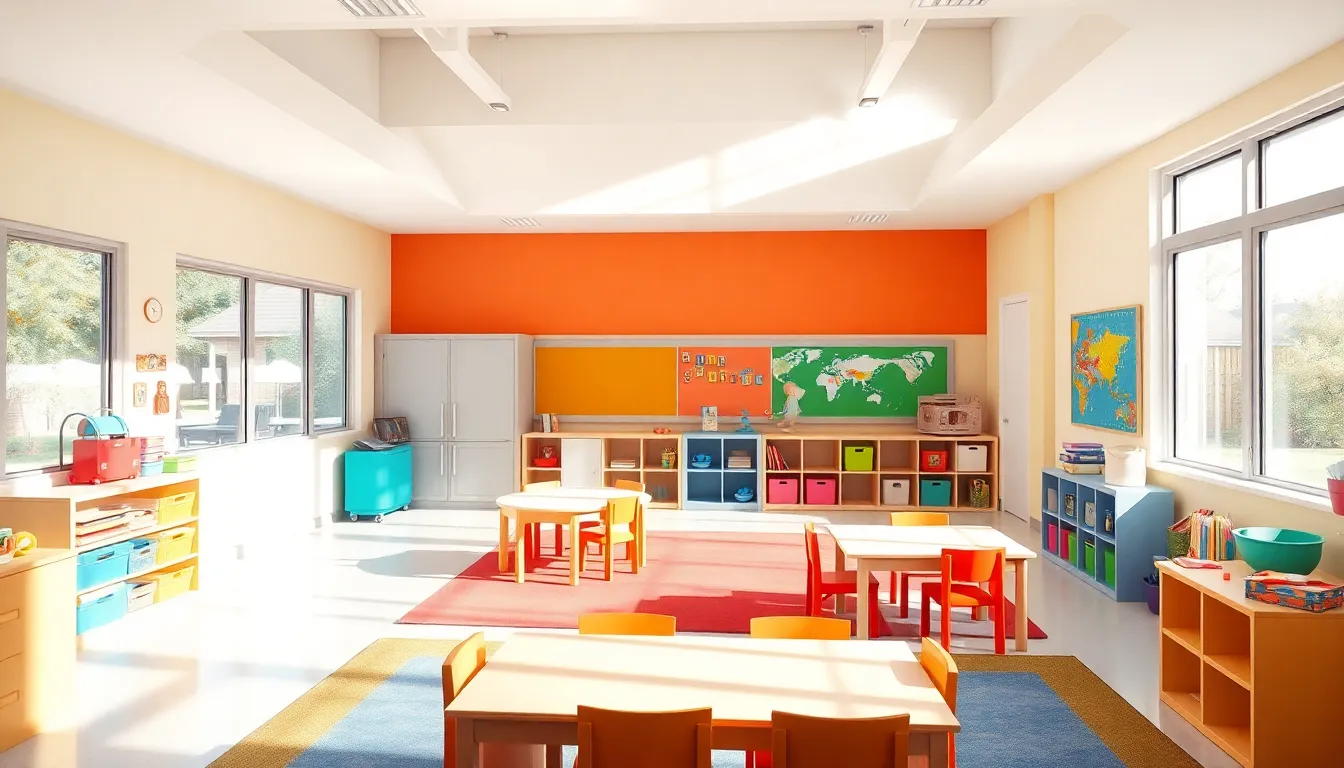
Identifying the best preschools involves analyzing several key criteria that reflect the quality of education and care provided. This section examines essential factors, including curriculum, teacher qualifications, and facilities.
Curriculum and Learning Approach
Curriculum plays a vital role in preschool selection. Quality curriculums emphasize holistic development, integrating cognitive, social, and emotional learning. Play-based programs often foster creativity and problem-solving skills, while structured curriculums enhance literacy and numeracy. Preschools utilizing a combination of both approaches encourage engagement and critical thinking. Additionally, alignment with early childhood education standards ensures that preschools prepare children for future academic success.
Teacher Qualifications and Experience
Teacher qualifications directly impact preschool effectiveness. Educators with degrees in early childhood education possess essential training and knowledge in child development. Experience in diverse classroom settings further enriches a teacher’s ability to meet individual needs. Observing teacher interactions with students can reveal their engagement techniques and nurturing styles. Moreover, ongoing professional development reflects a commitment to maintaining high educational standards.
Facilities and Safety Measures
Facilities significantly influence preschool experiences. Classrooms should be spacious, well-lit, and equipped with age-appropriate learning materials. Outdoor spaces need to offer safe play areas for physical activity. Safety measures, including secure entrances and child-proofed environments, ensure children’s well-being. Regular inspections and adherence to health standards demonstrate a preschool’s commitment to maintaining a safe learning atmosphere. Moreover, accessibility features ensure that all children can thrive in the preschool setting.
Top Picks For The Best Preschools
This section highlights exemplary preschools known for their nurturing environments and innovative programs. Here are three top choices:
Preschool A: Overview and Features
Preschool A stands out for its integrated curriculum that balances structured activities with play-based learning. Located in a spacious facility, it features bright classrooms filled with age-appropriate resources. Music, art, and outdoor education are essential components, fostering creativity and exploration. Experienced teachers with degrees in early childhood education guide children through cognitive and social development. Parent reviews praise the supportive atmosphere that encourages self-expression and confidence.
Preschool B: Overview and Features
Preschool B offers a unique focus on individualized learning, ensuring each child’s interests and abilities are prioritized. The curriculum incorporates STEM activities, promoting critical thinking and problem-solving skills. Safe outdoor play areas and a garden provide hands-on learning experiences. Teachers at Preschool B have a proven track record in diverse educational settings, ensuring tailored support for every child. Parents appreciate the strong communication from staff, which fosters healthy partnerships.
Preschool C: Overview and Features
Preschool C emphasizes an inclusive environment that welcomes children from various backgrounds. Its play-based curriculum stimulates creativity while addressing essential literacy and numeracy skills. The facility boasts well-equipped classrooms and a secure outdoor space that encourages exploration. Staff members participate in ongoing professional development, maintaining high standards of educational practices. Parents commend Preschool C for its community engagement and the strong friendships their children form.
Tips For Parents When Selecting A Preschool
Selecting the right preschool involves careful consideration and active engagement. Parents play a crucial role in ensuring their child’s educational needs and preferences align with the chosen program.
Visiting Schools and Asking Questions
Visiting preschools provides firsthand insight into the environment and atmosphere. Parents should evaluate cleanliness, safety, and space, observing how staff interacts with children. Engaging with teachers and administrators is vital; a list of questions will facilitate meaningful discussions about the curriculum, teaching philosophy, and daily routines. Specific inquiries could include:
- What is the student-to-teacher ratio?
- How is the curriculum structured to promote development?
- What safety protocols are in place?
Inspecting facilities, including outdoor play areas and learning resources, contributes to a well-rounded assessment. Parents should also seek to understand how the preschool addresses behavioral issues and supports children who may need additional assistance.
Considering Your Child’s Needs
Every child has unique requirements and learning styles. Parents must reflect on individual preferences and temperament when selecting a preschool. Observing how a child responds to structured versus play-based environments can guide this decision. Key considerations include:
- Does the child thrive in social settings or prefer quieter environments?
- What are the child’s developmental milestones and areas for growth?
- How does the child adapt to new situations and routines?
Identifying these needs helps determine the most suitable preschool type, supporting the child’s overall growth and adjustment. Engaging in conversations with early childhood professionals may further clarify how various programs can meet specific developmental needs and educational goals.
Choosing the right preschool is a pivotal step in a child’s educational journey. With the variety of options available parents can find a preschool that aligns with their child’s unique needs and learning style. The best preschools not only foster academic readiness but also nurture creativity and social skills in a safe and engaging environment.
By considering key factors like curriculum quality teacher qualifications and parent reviews parents can make informed decisions that set the stage for lifelong learning. Investing time in selecting a preschool ensures that children receive the support and encouragement they need to thrive during these formative years.

