


In a world where crayons mysteriously vanish and snack breaks seem to stretch into eternity, printable worksheets for preschoolers are a parent’s secret weapon. These delightful tools not only keep little minds engaged but also transform learning into a playful adventure. Who knew that tracing letters could feel like a treasure hunt or that counting could rival a game of hide-and-seek?
What Are Printable Worksheets for Preschoolers?
Printable worksheets for preschoolers are educational tools designed to facilitate learning through engaging activities. These resources focus on essential skills such as letter recognition, numbers, shapes, and colors. Parents and educators can easily access these worksheets for various subjects, ensuring a broad range of topics for children.
Each worksheet often incorporates fun elements like colorful illustrations and playful themes. For example, tracing letters may feature friendly animals or favorite cartoon characters. Such themes help captivate young learners’ attention, transforming education into a delightful experience.
Worksheets typically include various activity types, from matching and coloring to simple puzzles. Engaging in these activities supports cognitive development while promoting fine motor skills through writing and drawing. Skills acquired through these worksheets lay a solid foundation for future learning.
Parents find these worksheets beneficial for reinforcing concepts learned in preschool. Children often enjoy them, viewing educational tasks as enjoyable challenges. Teachers might also use printable worksheets during class, allowing for interactive group activities.
With the flexibility to print from home, these resources provide convenience. Families can print as many copies as needed, ensuring each child receives personalized attention. Additionally, the worksheets can be tailored to different learning styles, accommodating visual, auditory, and kinesthetic learners.
Overall, printable worksheets for preschoolers serve as effective, versatile tools that support early childhood education. They promote essential skills while creating a fun and engaging learning atmosphere for young minds.
Benefits of Using Printable Worksheets
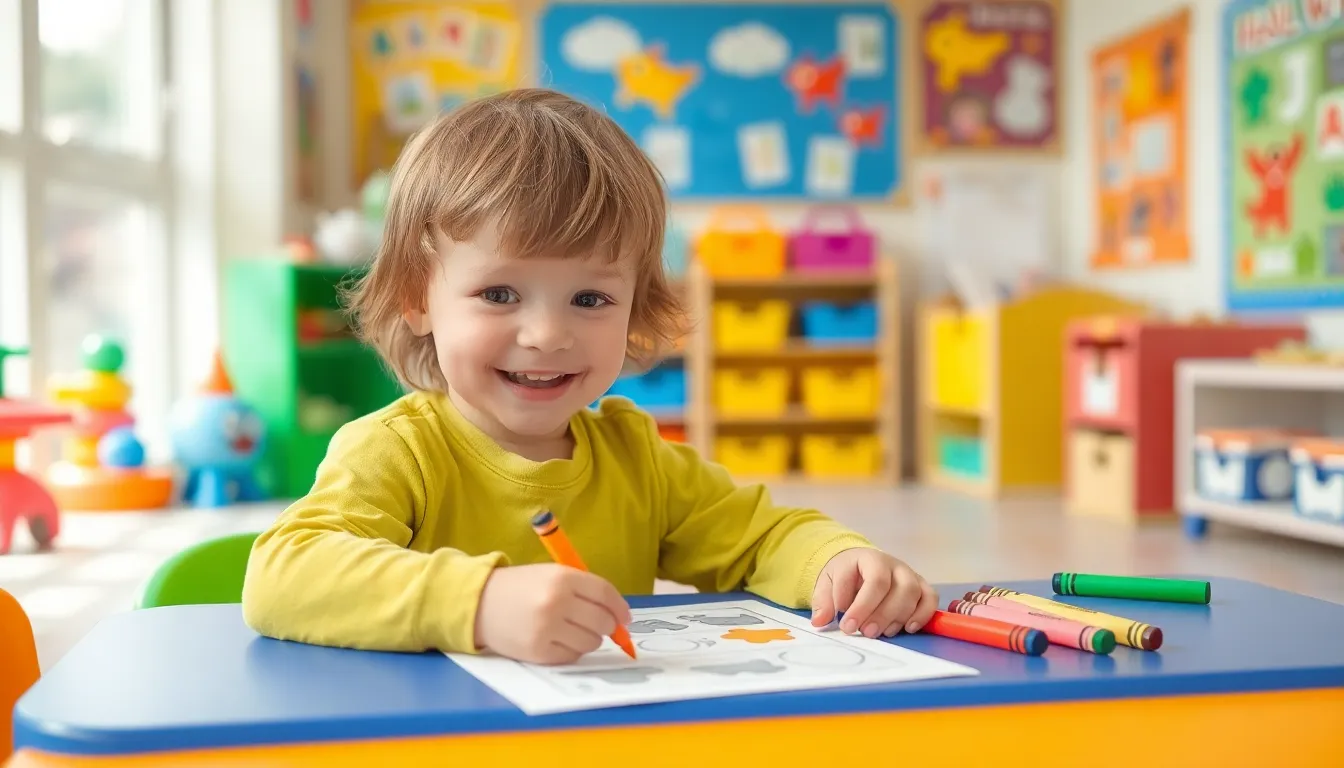
Printable worksheets offer significant advantages for preschoolers. They provide an enjoyable way to learn essential skills through engaging activities, ensuring that young learners stay motivated and focused.
Enhancing Learning and Development
Each worksheet enhances learning opportunities by focusing on letter recognition, numbers, shapes, and colors. Activities like tracing, matching, and coloring help stimulate cognitive development in children. Young learners practice fine motor skills through engaging tasks, resulting in improved hand-eye coordination. Educators frequently utilize these worksheets for interactive group sessions, promoting collaboration among peers. Visual themes and colorful illustrations capture children’s attention, creating a dynamic learning environment. Furthermore, worksheets serve as effective tools for reinforcing previously learned concepts, making them valuable resources in both home and classroom settings.
Promoting Independence and Confidence
Independence arises as children engage with printable worksheets at their own pace. They explore tasks without direct supervision, allowing for self-directed learning. Completing worksheets successfully builds confidence, encouraging children to express themselves creatively. Both parents and educators notice improved self-esteem in learners who complete assignments independently. Many worksheets also offer options for customization, catering to different learning styles and preferences. The ability to choose activities fosters decision-making skills and enhances personal investment in learning. Overall, printable worksheets empower children to take charge of their education and develop a love for learning.
Types of Printable Worksheets
Printable worksheets come in various types tailored to preschoolers’ learning needs. These worksheets cover a range of educational subjects and incorporate engaging activities to spark children’s interest while enhancing their skills.
Educational Subjects Covered
Printable worksheets encompass essential subjects like literacy, numeracy, science, and art. Literacy worksheets often include activities for letter recognition, phonics, and simple reading exercises. Numeracy worksheets focus on counting, basic addition, and shape recognition. Science-themed worksheets introduce concepts such as animals, plants, and the weather. Art worksheets encourage creativity through coloring, tracing, and simple crafts. Each subject helps foster comprehension and foundational knowledge, reinforcing what children learn in preschool.
Fun and Creative Activities
Engaging activities make printable worksheets fun for preschoolers. Coloring sheets allow for artistic expression while teaching color recognition. Matching games enhance critical thinking as children pair related items, like animals with their habitats. Simple puzzles challenge their problem-solving skills, promoting cognitive development through play. Tracing letters and numbers supports fine motor skill growth while fostering handwriting skills. Creative exercises, such as drawing or completing story prompts, stimulate imagination and encourage independent thought. These playful activities transform learning into an enjoyable experience for young children.
How to Choose the Right Worksheets
Selecting appropriate worksheets for preschoolers involves several key considerations. Focus on the child’s age and developmental stage when choosing activities. Most worksheets should align with the specific skills preschoolers are learning, such as letter recognition or basic counting.
Evaluate the themes and illustrations included in each worksheet. Bright colors and engaging characters captivate young learners’ attention. Worksheets featuring animals, nature, or space often spark curiosity and promote enthusiasm for learning.
Look for variety in activities offered. Worksheets that include matching games, coloring tasks, and simple puzzles enhance cognitive skills. This variety keeps learning fresh and exciting, preventing boredom.
Consider the complexity of the tasks. Age-appropriate worksheets should maintain a balance between challenging and achievable. Too many difficult tasks can frustrate children, while overly simple ones may lead to disinterest.
Check for accessibility and ease of use. Worksheets should be easy to print and straightforward in layout. Clear instructions allow children to engage independently, fostering confidence in their abilities.
Assess how well the worksheets support fine motor skill development. Activities that include tracing, cutting, and coloring can improve hand-eye coordination and dexterity. These skills are essential for preschoolers as they prepare for more complex tasks.
Lastly, think about customization options. Many printable worksheets allow for adjustments to fit the child’s interests and learning preferences. Personalizing these materials enhances engagement and makes the learning experience more enjoyable.
Tips for Using Worksheets Effectively
Engaging preschoolers with printable worksheets requires thoughtful strategies. First, set aside a designated time for worksheet activities to establish a routine. This routine helps children anticipate learning sessions, making them more engaged.
Encourage a positive attitude towards the activities. Celebrate small accomplishments to motivate ongoing participation and build confidence. When children feel proud of their efforts, they’re more likely to enjoy learning.
Provide guidance during the worksheets. Actively participate in the activities alongside children, asking open-ended questions to stimulate their thinking. This interaction not only enhances comprehension but also fosters a supportive learning environment.
Incorporate hands-on materials for a multi-sensory experience. Using items such as crayons, scissors, and stickers enhances engagement, allowing children to explore different textures and colors while completing tasks.
Rotate worksheets frequently to maintain interest and prevent monotony. By varying themes and activity types, children discover new concepts while still reinforcing foundational skills. This approach keeps the learning experience fresh and enjoyable.
Give children the freedom to choose their worksheets. Allowing choices fosters a sense of ownership and investment in their learning process. When children select activities that appeal to them, they tend to exhibit increased motivation.
Lastly, assess each child’s progress and adapt worksheets according to their developmental needs. Regular assessments help identify areas requiring additional focus or reinforcement. This tailored approach ensures that learning remains effective and relevant for each child.
Printable worksheets are an invaluable resource for preschoolers and their parents. They transform learning into a fun and interactive experience while fostering essential skills. By incorporating colorful illustrations and engaging activities, these worksheets capture children’s attention and motivate them to learn.
Parents and teachers alike can customize worksheets to fit each child’s unique learning style, ensuring that education remains both effective and enjoyable. As children explore various subjects through playful activities, they develop confidence and independence in their learning journey.
Ultimately, printable worksheets empower young learners to take charge of their education, laying a strong foundation for future academic success.

